If you’re standing on Lordship Lane with a flat white in one hand, watching the world go by, it’s easy to see why East Dulwich is such a magnet. It’s got a bustle, a bit of an edge, and a community feel that’s genuinely welcoming. But then you walk ten minutes down the road into Dulwich Village, and suddenly the volume drops. The white picket fences appear, the Georgian grandeur takes over, and it feels like you’ve stepped into a different era entirely. For anyone looking to buy or sell in this part of South London, the question isn’t just about which vibe you prefer—it’s about the massive price gap between these two siblings. While they share a name and a park, their property markets are world’s apart. Navigating that difference, and knowing where your money will actually work harder, is where the guidance of trusted estate agents in Dulwich makes all the difference.
East Dulwich: The Value Champion
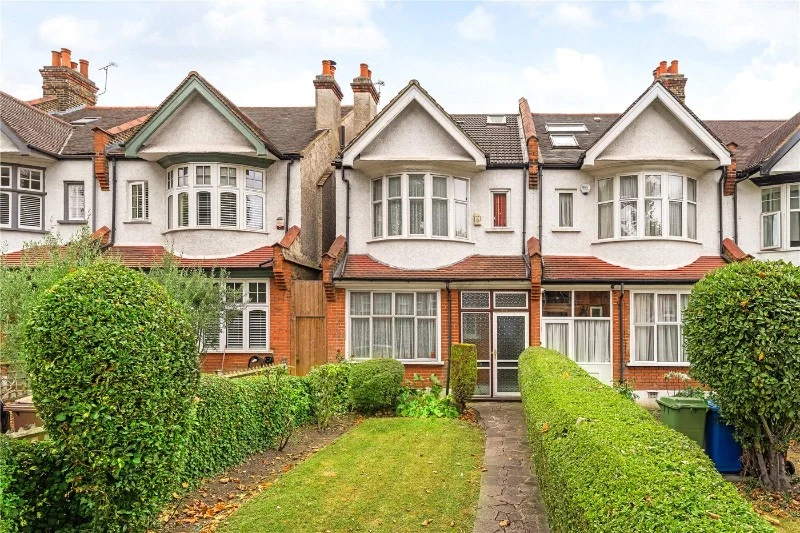
East Dulwich is where you go if you want more bricks for your buck. It’s the “edgy” but now firmly established sibling, predominantly made up of Victorian and Edwardian terraces. Average sale prices here typically sit around the £670,000 to £690,000 mark.
What’s interesting is the sheer variety. You have those classic two-bedroom garden flats that are the “starter pack” for young professionals moving out of Clapham or Peckham. Then you have the mid-terrace family homes that offer a decent amount of square footage without the multi-million-pound price tag. Buyers usually ask about the proximity to Lordship Lane—the town’s heartbeat—because that’s where the independent boutiques, organic grocers, and vibrant cafe culture are anchored. You’re paying for a lifestyle that’s family-oriented but still feels connected to the urban energy of London.
Dulwich Village: The Premium Enclave
Then you have the Village. This is the heavyweight. It’s not just an affluent area; it’s one of the most exclusive enclaves in the entire country. Average property values here regularly exceed £1.2 million, and to be honest, that’s just the entry point for many.
If you’re looking at the best roads—the ones lined with Georgian estates and large, detached period homes—you’re easily looking at £1.5 million to well over £2 million. People move here for the prestige, the quiet, and the proximity to world-class independent schools like Dulwich College and JAGS. It’s a picturesquely leafy world where the Dulwich Estate’s Scheme of Management keeps everything looking perfectly preserved. We see this quite often: people who have “made it” in East Dulwich eventually make the leap over the border into the Village when they want that final, forever family home.
The “Dulwich Estate” Factor
One thing that buyers in the Village often find surprising is the influence of the Dulwich Estate. If you buy a freehold property within their boundaries, you’re subject to certain rules about what you can do to the exterior. Want to change your windows or paint your front door a non-traditional colour? You might need to check with them first.
This preservation is exactly why the Village keeps its value so well. It’s an aesthetic that doesn’t change, which provides a level of market stability you don’t always find elsewhere. In East Dulwich, you have a bit more freedom to extend and remodel, which is why we see so many stunning loft conversions and modern rear extensions in the SE22 postcode. That flexibility is a big draw for people who want to put their own stamp on a property.
Which Offers the Better Investment?
“Better” is a relative term in property. If you’re looking for capital growth and a lower barrier to entry, East Dulwich is arguably the smarter play. The demand for those Victorian terraces remains incredibly high, and the rental market is robust because of the transport links from East Dulwich station.
However, if you’re looking for long-term wealth preservation, Dulwich Village is hard to beat. Its exclusivity is its greatest asset; there’s a finite number of those grand period homes, and they will always command a premium. The market there is less about quick flips and more about generational wealth. It’s the kind of place where people buy a house and don’t leave for thirty years.
A Choice of Two Worlds
At the end of the day, the choice between East Dulwich and the Village comes down to what you value most. Do you want the organic markets and the “buzz” of Lordship Lane, or the quiet, manicured lanes of the Village?
Both areas offer an incredible quality of life, but they serve different stages of the journey. East Dulwich is the vibrant, active heart where you build your life, while the Village is the serene destination you aim for. Regardless of which side of the park you land on, you’re buying into a community that is consistently ranked as one of the best places to live in London. It’s a market with layers of history and a very bright future, provided you have the right local knowledge to navigate its unique quirks.