The real estate market continues to evolve under the influence of economic shifts, changing lifestyles, and rapid innovation. This year, buyers, sellers, investors, and developers are navigating a landscape shaped by price recalibration, new demand patterns, and smarter decision-making tools. Understanding these trends is essential for staying competitive and making confident property decisions.
Shifting Buyer Preferences
Homebuyers are redefining what they want from property ownership. Lifestyle priorities now play a bigger role than ever, influencing location choices and property features.
Key buyer-driven trends include:
- Increased demand for flexible living spaces and home offices
- Preference for suburban and semi-urban locations
- Greater focus on walkability and access to local amenities
These changes are encouraging developers to rethink layouts and neighborhood planning.
Moderation in Property Price Growth
After years of sharp increases, many markets are experiencing more balanced price movements. While prices remain high in several regions, the pace of growth is stabilizing.
Factors contributing to this trend:
- Interest rate adjustments
- Improved housing supply in select areas
- More cautious buyer behavior
This moderation is creating opportunities for buyers who were previously priced out while encouraging sellers to adopt realistic pricing strategies.
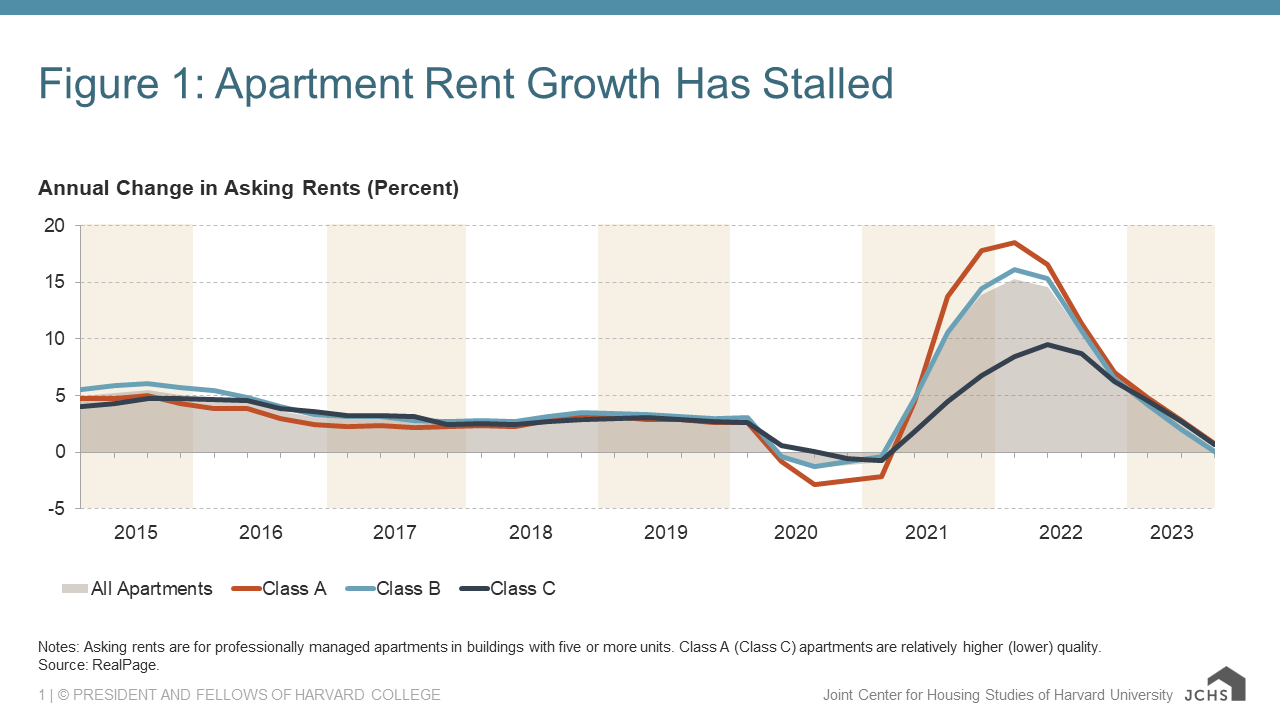
The Continued Strength of the Rental Market
Rental demand remains strong, driven by affordability challenges and demographic shifts. Younger generations and relocating professionals are fueling consistent demand for rental housing.
Notable rental market developments:
- Rising demand for professionally managed rental properties
- Growth in short- and mid-term rental options
- Increased interest in co-living and shared housing models
For investors, rental properties continue to offer stable income potential when managed strategically.
Sustainability as a Market Differentiator
Environmental considerations are no longer optional in real estate. Buyers and tenants increasingly value energy efficiency and sustainable design.
Sustainability-focused features gaining traction:
- Energy-efficient appliances and insulation
- Solar power integration
- Green building certifications
Properties that prioritize sustainability often enjoy stronger demand, lower operating costs, and long-term value resilience.
Urban Revival and Mixed-Use Developments
Cities are adapting to post-pandemic realities with renewed investment in mixed-use developments that blend residential, commercial, and recreational spaces.
Benefits of mixed-use projects include:
- Reduced commute times
- Enhanced community engagement
- Higher utilization of urban space
This trend is revitalizing city centers while attracting residents seeking convenience and lifestyle balance.
Data-Driven Investment Decisions
Access to market data has transformed how investors assess opportunities. Sophisticated analytics now guide decisions once based largely on intuition.
Investors are leveraging data to:
- Identify emerging neighborhoods
- Forecast rental yields more accurately
- Assess risk across diverse property types
As data becomes more accessible, informed decision-making is becoming the norm rather than the exception.
Technology-Enabled Transactions
The buying and selling process is becoming faster and more transparent through digital platforms and automation.
Technology is improving transactions by:
- Streamlining documentation and approvals
- Enhancing online property marketing
- Reducing delays through digital communication tools
These efficiencies are improving the experience for all parties involved while lowering transaction friction.
FAQs
How do economic conditions influence real estate trends?
Economic factors such as interest rates, employment levels, and inflation directly affect buyer confidence, borrowing capacity, and overall market activity.
Are suburban areas still growing in popularity?
Yes, many buyers continue to favor suburban locations due to affordability, space, and lifestyle flexibility, although urban areas are also seeing renewed interest.
What types of properties are most attractive to investors this year?
Rental-focused residential properties, mixed-use developments, and sustainable buildings are drawing strong investor interest.
Is now a good time for first-time homebuyers?
For many, stabilized pricing and expanded inventory create better opportunities, though affordability still depends on local market conditions.
How is remote work shaping real estate demand?
Remote and hybrid work models are increasing demand for larger homes, flexible layouts, and locations outside traditional employment hubs.
Do green buildings really offer better returns?
Sustainable properties often achieve higher occupancy rates, lower operating costs, and stronger long-term value retention.
What risks should real estate investors watch this year?
Key risks include interest rate volatility, regulatory changes, and localized oversupply, making thorough market analysis essential before investing.